Jersey-Wearing for Software: Inside America's Strange New Hobby of Rooting for Startups
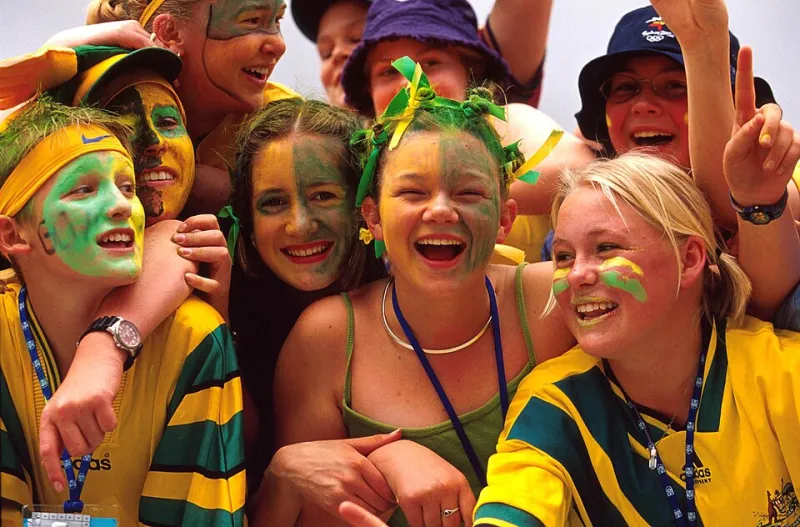
Photo: Sport the library, CC BY-SA 3.0, via Wikimedia Commons
There's a guy in Ohio who has opinions about a Series B he'll never be invited to participate in. He's not an investor. He doesn't work in tech. He's a high school teacher who follows a dozen private companies the way other people follow the Bengals — reading every funding announcement, arguing valuation math in Discord servers, and celebrating a product launch like a playoff win.
He's not alone, and he's not weird. Or at least, he's not weird anymore.
Fandom Without a Box Score
For most of the last century, following a private company was basically impossible. Private meant invisible. Unless you were on the cap table or the payroll, you had no window into the company at all.
That era is over. Between funding announcements splashed across tech press, founders livestreaming from their garages, and community platforms where enthusiasts break down term sheets like game film, the startup world has developed something it never really had before: spectators.
And spectators behave differently than customers or employees. A customer wants the product to work. An employee wants a paycheck and a promotion. A fan wants a story — a narrative arc they can invest in emotionally, root for, and argue about with strangers online.
Sound familiar? It should. It's how Americans have always related to sports teams, and increasingly, it's how we relate to companies.
Why Founders Are Courting the Crowd
Here's where it gets interesting: some founders figured out that fans are an asset class of their own.
A company with a genuine fanbase gets free distribution. Fans share launches, defend the brand in comment sections, and show up to waitlists before a marketing dollar is spent. In a world where customer acquisition costs keep climbing, a thousand true fans who evangelize unprompted is a genuine moat.
The playbook looks like this: build in public, share the messy middle, name the community, give it inside jokes and lore. Some founders go further — sharing revenue screenshots, posting their rejection emails, turning the funding journey itself into serialized content. The company becomes a show, and every update is an episode.
It works, but it cuts both ways. The same fans who cheer the up rounds will turn on you during a layoff. Ask any founder who's watched their community Discord flip from hype to hostile in a single afternoon.
The Economics of Cheering
Skeptics ask a fair question: what does fandom actually do? A fan's enthusiasm doesn't show up on the balance sheet.
Except it kind of does. Fan energy translates into early adopters, and early adopters translate into traction, and traction translates into the next round. Founders know this. VCs know this. A startup that walks into a pitch with an organic community already buzzing is telling a very different story than one with a great deck and silence.
There's also a recruiting angle. Top engineers increasingly choose employers the way fans choose teams — based on narrative, mission, and vibes. A company people want to root for is a company people want to work for.
The Community Layer
What's changed most recently isn't the fandom itself — it's the infrastructure. Enthusiasts used to be scattered across Reddit threads and Twitter replies. Now there are dedicated spaces where startup watchers gather to debate, track, and yes, obsess.
That's the whole thesis behind platforms like this one: the hobby was already happening, it just needed a stadium. When fans can compare notes on a company's momentum, flag red flags, and celebrate wins together, spectatorship stops being a niche quirk and becomes a legitimate lens on the economy.
And honestly, the timing makes sense. Traditional sports are expensive to follow and increasingly corporate. Startups offer something fandom always craves: underdogs, rivalries, dramatic rises, and the constant possibility that the team you believed in early turns out to be legendary.
A Word of Caution for the Cheap Seats
None of this is without risk. Fandom flattens nuance. When you're rooting for a company, you stop asking hard questions about its fundamentals. Communities can become echo chambers where skepticism reads as betrayal — the startup equivalent of booing your own quarterback.
The healthiest startup fans I've encountered hold two things at once: genuine enthusiasm and a willingness to say the emperor has no clothes. Cheer for the story. Verify the numbers. Enjoy the game without pretending every player is a future hall of famer.
Because here's the thing about fandom: most startups, like most teams, won't win it all. The fun isn't in guaranteeing a championship. It's in watching closely enough to have an opinion worth defending.