From Bleacher Seats to the Cap Table: When the Fans Start Buying In
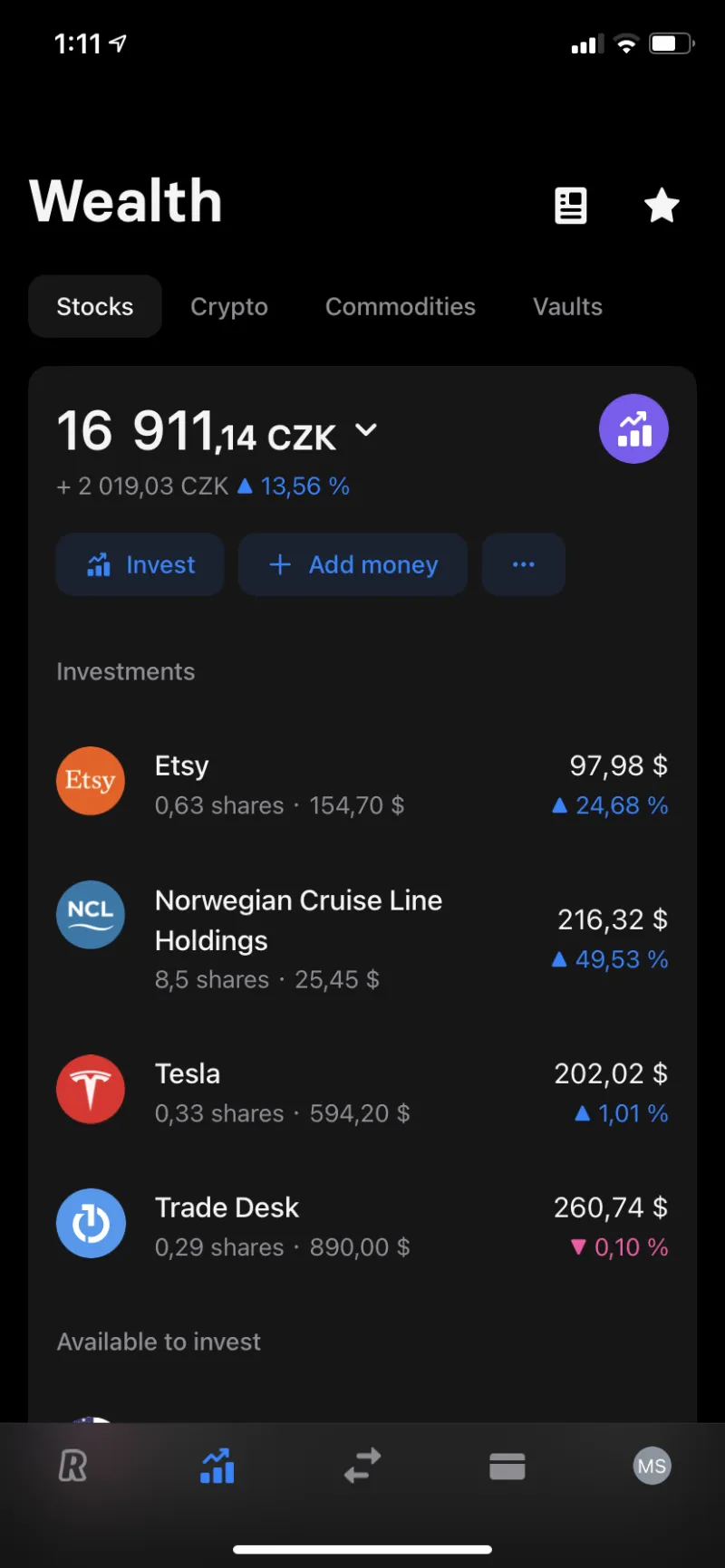
Photo: MKoala, CC BY-SA 4.0, via Wikimedia Commons
For most of the venture era, there was a clean line: insiders owned startups, everyone else watched. Retail investors got the leftovers — the IPO, years after the value was created, priced by bankers and marketed by CNBC.
That line is dissolving. Equity crowdfunding under the JOBS Act opened the door years ago. Secondaries platforms now let employees sell stakes to accredited outsiders. IPO access apps hand retail buyers shares on day one. Add it up, and the person tracking a startup's every funding announcement — the fan, the spectator, the person writing hot takes in the community forums — can now plausibly own a piece of the thing they've been cheering for.
I think this is mostly good. I also think it's going to burn a lot of people. Both things are true, and fans deserve an honest accounting of each.
The Case For: Skin in the Game
Start with what's genuinely healthy here. Fandom with a financial stake is more disciplined than fandom without one. When your own money is on the line, you read the update emails differently. You start asking the unglamorous questions — what's the burn rate, who's on the cap table, what happens in a down round — because now those questions are about you.
There's also a fairness argument. The best wealth creation of the last two decades flowed almost entirely to people who were already wealthy or already inside. A teacher in Michigan who believed in a company at seed stage had no mechanism to act on that belief. Broadening access doesn't just democratize returns; it democratizes conviction. People who did the homework, watched the company for years, and understood the product as users arguably deserve a shot at the upside more than a fund that wrote a check after one diligence meeting.
And companies benefit too. A base of thousands of small shareholders is a base of thousands of evangelists, customers, and recruiters. Retail investors tend to be loyal in ways institutional money isn't.
The Case Against: Glamour Is Not a Thesis
Now the uncomfortable part. The same emotional wiring that makes fandom fun makes it dangerous when money shows up.
Fans fall in love with narratives. Investors get paid to be unromantic. When those identities merge, you get people buying into a unicorn's vibe — the charismatic founder, the press coverage, the community in-jokes — while ignoring that the company burns $8 million a month and just quietly did a down round.
The secondaries market makes this worse in a specific way. Prices there are set by thin, private, opaque markets. A tender at a $10B valuation doesn't mean your shares are worth $10B; it means one buyer and one seller agreed on a number with zero obligation to anyone else. Retail fans buying at headline valuations are often buying the top of a hype cycle with no liquidity, no disclosures, and no way out.
And here's the brutal math of venture itself: even professional VCs, with access and information retail buyers will never have, expect most of their portfolio to underperform. The power-law that makes venture work for funds works against individuals who put real money into one or two glamorous names.
The Line I'd Draw
So where does that leave the fan-founder relationship? I'd argue for a simple framework, the same one that governs any good fandom: love the team, respect the odds.
Concretely: if you're going to invest in a startup you follow, treat it like a lottery-adjacent position, not a retirement plan. Money you can lose entirely without changing your life. Size it like the long shot it is, even — especially — when you feel certain. Certainty is exactly the emotion fandom produces and exactly the emotion that ruins investors.
Second, demand the boring numbers before you buy. If a company won't share retention, revenue quality, or margin direction with prospective investors, that's not exclusivity — it's a tell.
Third, keep the two hats separate in public. A fan-shareholder who trashes every critic of their company isn't doing analysis anymore; they're protecting their position. The community spaces where startup watchers gather — including this one — work best when skepticism and enthusiasm can sit at the same table.
The Verdict
Democratized startup investing is not going away, and I don't think it should. The bleacher seats were always the honest way most of us experienced the venture world; getting a ticket onto the field occasionally is a genuine improvement in access.
But access without education is just a faster pipeline from fandom to bagholding. The fans who thrive in this new era will be the ones who treat ownership the way good fans treat the game itself: with passion, sure — but also with a scorecard, a healthy suspicion of highlight reels, and a clear-eyed understanding that most seasons end in a loss.